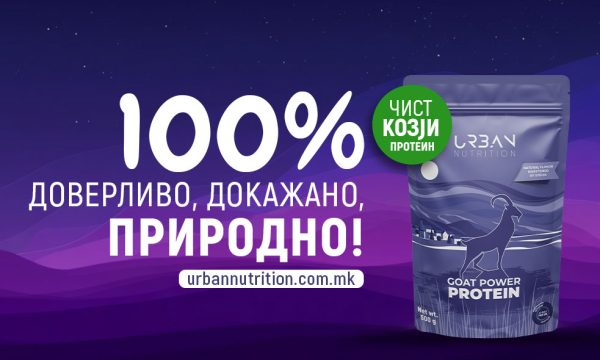
Goat milk is the most widely consumed dairy product in the world, with the exception of the US and Europe, where cow’s milk is favored. However, if you are looking for a healthier alternative to cow’s milk, goat milk is the perfect option. It contains a significantly higher amount of essential nutrients compared to cow’s milk and plant-based alternatives (such as soy, almond, coconut, etc.). Both goat milk and our powerful protein powders, made from premium-quality goat milk, offer numerous health benefits due to their nutritional composition, high digestibility, and tolerance.
Goat milk contains Vitamin A, which has been proven to have a beneficial effect on the skin, making it more radiant and healthy. The probiotics in goat milk further contribute to the development of normal skin microflora, helping to prevent acne and more serious skin infections.
While the fat percentage in goat and cow milk is similar, the fat globules in goat milk are smaller in size, making them much easier for our bodies to process. Additionally, goat milk contains less lactose than cow’s milk, making it better tolerated by individuals with lactose intolerance. Furthermore, studies have shown that goat milk improves the absorption of nutrients such as iron, calcium, magnesium, and phosphorus.
- Increasing Platelet Count
The presence of selenium in goat milk can help increase the blood platelet count (thrombocytes) in cases of thrombocytopenia or selenium deficiency occurring after severe infections.
- Atherosclerosis Prevention
Atherosclerosis affects the blood vessels that carry oxygen and nutrients to and from tissues and is a prerequisite for serious cardiovascular complications like heart attack and stroke. Goat milk contains a lower amount of the enzyme xanthine oxidase, which is involved in the production of uric acid and plays a role in the formation of atherosclerotic plaques in the blood vessels.
- Lowering Cholesterol Levels
Studies have shown that goat milk triggers increased biliary secretion of cholesterol and a decrease in its plasma concentration. This is because goat milk contains medium-chain fatty acids (30–35% compared to 15–20% in cow’s milk). Another positive effect is the increase in “good” cholesterol (HDL) levels, which further helps maintain a healthy cardiovascular system and supports liver function.
People with anemia are encouraged to consume goat milk and its products. Goat milk is rich in iron, calcium, magnesium, and phosphorus, which the body absorbs easily. Beyond increasing iron levels in iron-deficiency anemia, goat milk allows for better utilization of iron and stimulates the production of new red blood cells (erythrocytes).
Most people who are intolerant to cow’s milk are actually sensitive to a specific protein found within it (A1 casein) which they cannot digest. Furthermore, cow’s milk contains over 20 allergens that can cause reactions, especially in children. In contrast, goat milk contains exclusively A2 casein, making it the most similar to breast milk. Therefore, it is far better tolerated by our bodies and contains significantly fewer allergens.
Calcium, a mineral abundant in goat milk, is essential for many aspects of our health, but it is particularly vital for maintaining strong bones. In fact, 99% of the calcium in our bodies is found in our bones and teeth. Calcium increases bone density and prevents musculoskeletal diseases such as osteoporosis.
- Promotes Muscle Mass Growth
Goat milk proteins are ideal for healthy muscle mass gains. They are easily digestible, meaning they are readily available to the body. They have proven very useful for healthy weight gain in malnourished children, particularly in increasing muscle components. for healthy and physically active individuals, goat milk and its derived protein powder are the ideal addition to a healthy, balanced, and nutrient-rich diet.